
Branding Meaning, 4 P’s, 4 C’s, Identity, Types and Real Examples
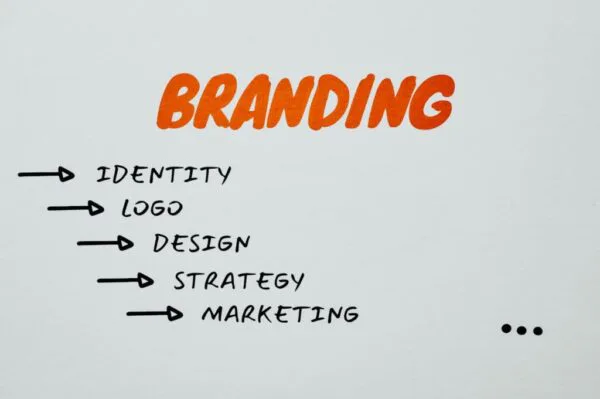
Branding is how an organization shapes recognition and preference for its name, products and services. This article explains what branding means in plain language, how the 4 P’s and 4 C’s work together, how brand identity and types of brands fit in and how trends such as user generated content and multi platform marketing change the work.
The material here is written for boards, executives and senior marketers. It does not give legal or accounting advice and does not estimate brand valuations.
Key points on branding
- Branding is not limited to logos or taglines. It connects choices about product, price, channels and promotion.
- Strong branding starts with clarity on the customer and the specific problem the brand solves better than alternatives.
- Modern branding includes user generated content and consistent experiences across many platforms, not only owned media.
Short answer on branding
Branding is the planned way a company builds recognition and preference. It joins a name, visual look, story, product choices and customer experience into something that customers can pick out quickly and trust enough to buy.
What do you mean by branding?
When leaders ask what do you mean by branding, they usually want to know which decisions belong in the branding bucket and which belong elsewhere. Useful working points are:
- Branding decides how the company wants people to think and feel when they notice its name.
- It guides creative choices such as color, language and style.
- It informs which customers to focus on and which to avoid.
- It gives direction to sales and service teams so that the experience matches the story.
Branding is therefore a practical tool for focus, not only a design exercise.
What is brand identity?
Brand identity is the visible side of branding. It includes the brand name, logo, color palette, fonts, sound cues, style of images and typical phrases. These parts need to be simple enough for customers to recognize at a glance and flexible enough to work in print, digital and physical spaces.
Internal brand identity manuals or digital asset hubs help teams and agencies apply the identity without constant rework.
What are the 4 P’s of branding?
The 4 P’s of branding take the classic marketing mix and apply a brand lens:
- Product – the features, quality level and design choices that express the brand idea.
- Price – how the brand signals value and where it sits compared with other options.
- Place – channels where the brand is available, from marketplaces to direct sales.
- Promotion – advertising, content, events and public relations that tell the brand story.
A brand that claims to be premium but is discounted every week or only found in discount channels is sending mixed signals. The 4 P’s are a quick test against that risk.
What are the 4 C’s of branding?
The 4 C’s of branding are a simple quality check:
- Clarity – people can state what the brand stands for in plain words.
- Consistency – the brand behaves the same way in different channels and over time.
- Credibility – claims are backed by product and service reality.
- Connection – customers feel that the brand fits their needs and values.
Teams can use the 4 C’s when reviewing campaigns, websites or store layouts.
What is an example of branding?
A clear example of branding is a regional bank that chooses to be the reliable local partner for small businesses. It selects a simple name, uses the same color set in branches and online, trains staff to greet clients in a particular way and designs digital tools that favor clarity over novelty. Over time, business owners in the region connect the brand with safety and straightforward advice.
The example shows how naming, service routines, branch design and digital tools all carry the same idea.
What are the different types of brands?
Different types of brands solve different jobs:
- Product brands that label individual goods, such as food items or devices.
- Service brands that signal a pattern of behavior over time, such as airlines or advisory firms.
- Corporate brands that carry the reputation of a group across many offers.
- Personal brands built around individuals, often in professional services or digital media.
- Ingredient brands that appear inside other products, such as technology components.
- Place brands built for cities, regions or universities.
How to build a brand?
Building a brand is a staged process rather than a single launch. Practical steps are:
- Define a primary audience and the problem they want solved.
- Write a short brand idea that explains how you solve that problem differently.
- Create a name and identity system that fit the idea and are easy to apply.
- Set simple rules for language and behavior, not only design.
- Start with a few clear touchpoints such as site, packaging and core service interactions, then expand.
- Track basic signals such as recognition, trial, repeat purchase and word of mouth.
Many organizations revisit these steps during mergers or entry into new markets.
What is the purpose of a brand?
A brand gives customers a shortcut. Instead of checking every detail each time, they rely on the brand as a signal of what to expect. Internally, a clear brand helps employees understand what kind of decisions fit the company and which do not. For investors and partners, brands can make future cash flows less uncertain because customers are more likely to return.
What are the key elements of a brand?
Leaders often ask what are the key elements of a brand when they want to check if anything important is missing. A simple checklist is:
- Name and legal protection where possible.
- Visual identity system that can adapt to different formats.
- Clear story that explains who the brand is for and why it exists.
- Proof points such as quality marks, case studies or reviews.
- Service standards and experience design.
- Community signals such as events, social channels or user forums.
Brands utilizing user generated content
Brands are utilizing user generated content, including AI generated content, to add authenticity and emotional connection. Customers often trust the words and pictures of other users more than carefully crafted advertising. At the same time, quality and relevance remain a concern, so teams need clear moderation rules and guidance on how UGC fits the brand.
Practical actions include:
- Setting guidelines for reviews, testimonials and community posts.
- Highlighting customer stories that show the brand in real life situations.
- Checking that AI assisted material is accurate and fair.
Marketing across multiple platforms
Marketing across multiple platforms is now standard for most brands. Harmonizing activity across platforms builds brand loyalty through consistent visuals, messages and seamless customer experiences across all touchpoints. Customers expect the same tone and basic offers whether they see a brand on search, social media, email or in a store.
To make this work, teams can:
- Use a shared content calendar that covers owned, paid and partner channels.
- Adapt creative work to the strengths of each platform while keeping core elements steady.
- Share data across channels so that measurement reflects the whole path, not only last click.
How NMS Consulting supports branding and brand management
NMS Consulting helps organizations connect branding with strategy, customer experience and change programs. Work may include:
- Brand and portfolio reviews after acquisitions or restructurings.
- Support for new brand creation or rebranding, including coordination with legal, finance and human resources.
- Links between brand decisions and pricing, channel and service design choices.
Readers interested in broader brand management topics can also review the NMS article on brand management and its importance.
Contact NMS Consulting
to discuss branding questions in more detail.
Frequently asked questions on branding
What do you mean by branding?
Branding is the set of decisions that shape how people recognize and remember an organization, product or service.
What are the 4 P’s and 4 C’s of branding?
The 4 P’s are product, price, place and promotion viewed through the brand story. The 4 C’s are clarity, consistency, credibility and connection as checks on how well the brand is working.
What is an example of branding?
Examples include banks, retailers or professional services firms that keep the same story, look and service style across branches, websites and apps so that customers know what to expect.
How does user generated content fit into branding?
User generated content can reinforce branding when it reflects real experiences that match the brand story, provided quality and relevance are managed carefully.